Trek Highlights
- Duration: 20 Days
- Grade: Moderate to difficult
- Accommodation: Tea House Lodges and homestays
- Key sites covered: Beni, Jaljala, Dhorpatan, Nisel Dhor, Tallo Sera, Taka Sera, Lukum, Thabang, Jaljala, Jelbang, Sulichour, Chunbang, Mahatgaon, Rukumkot, Pelma, Maikot, Chhipkhola, Syarpu Tal, Baikot etc.
Key attractions/experiences:
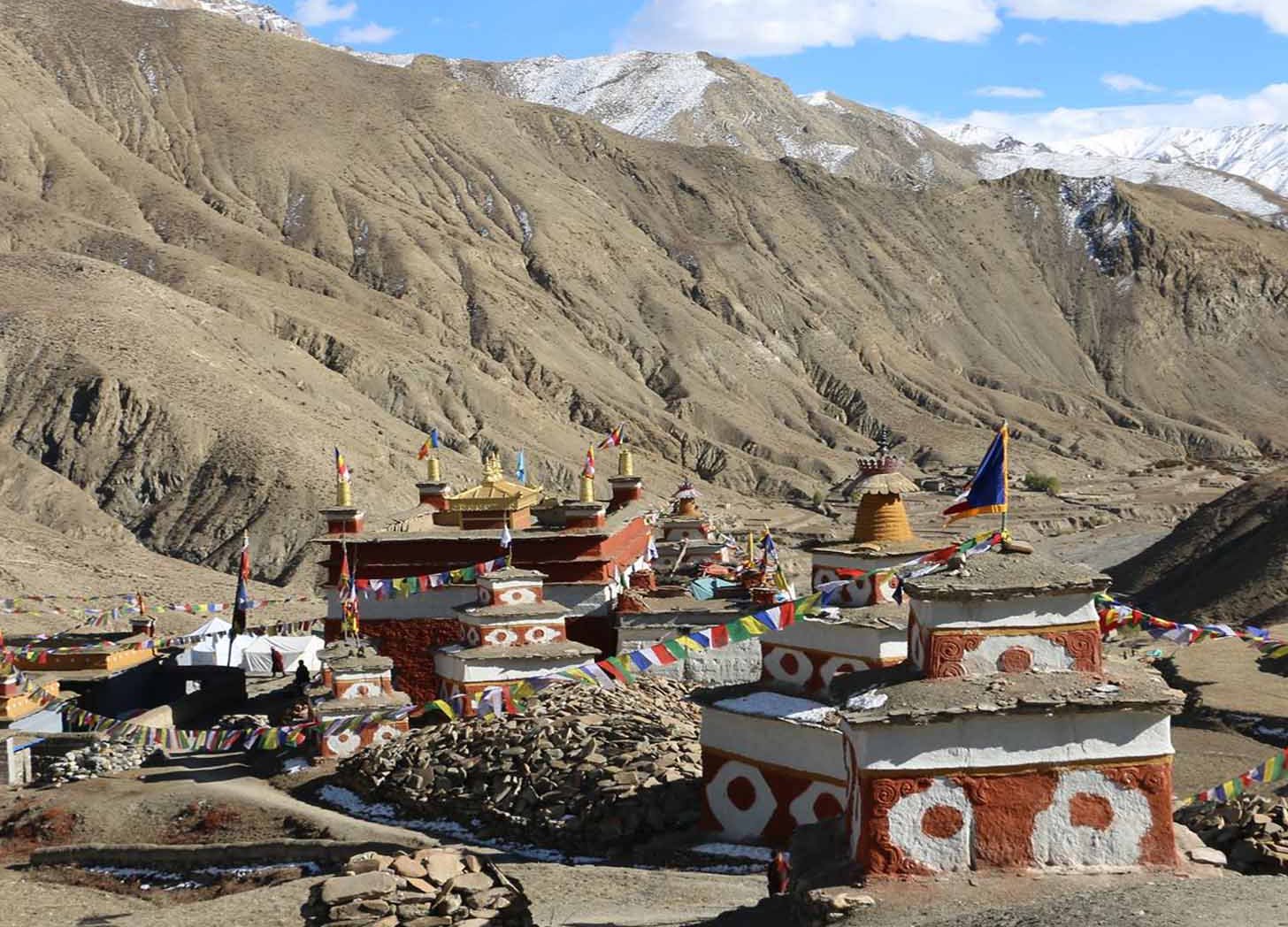
Guerrilla Trail connects some of the historic war memorial sites associated with the 10-years long Maoist War in one of its epicenters. The journey offers a profound opportunity to reflect on the history of Nepal’s conflict, while also showcasing the natural beauty, vibrant cultures, and warm hospitality of the region’s communities. Today, the same areas that were once at the heart of conflict are now symbols of peace and resilience, welcoming visitors with open arms. The entire region was used for recruiting, training, and strategizing with sites of many confrontations and battles.
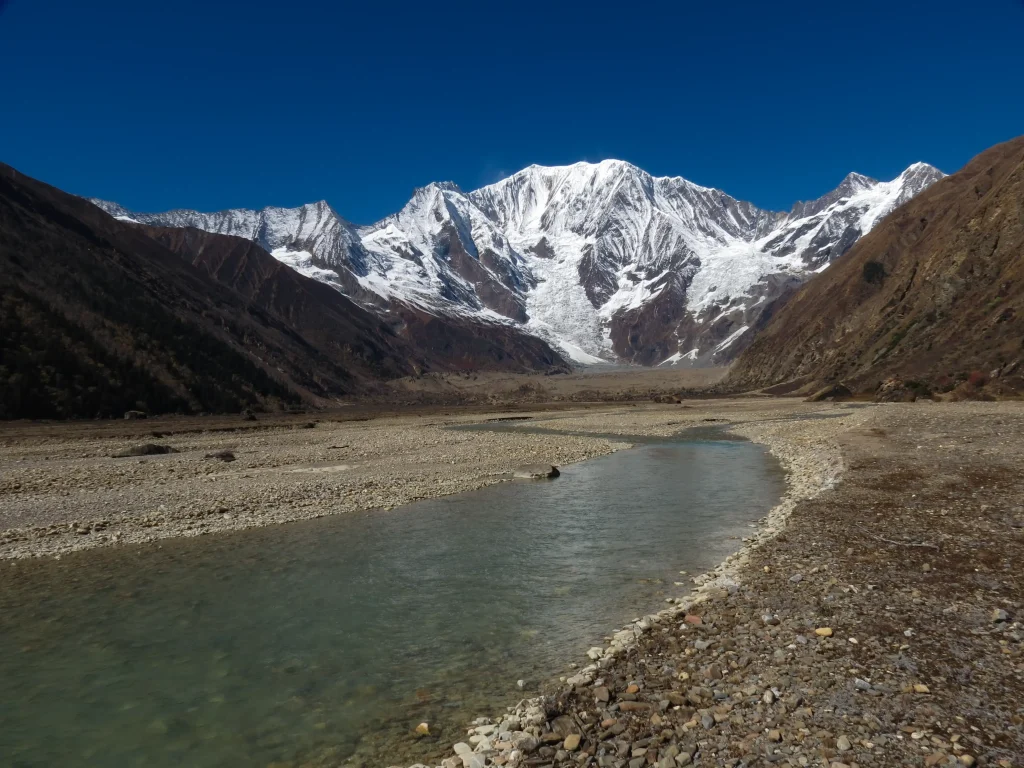
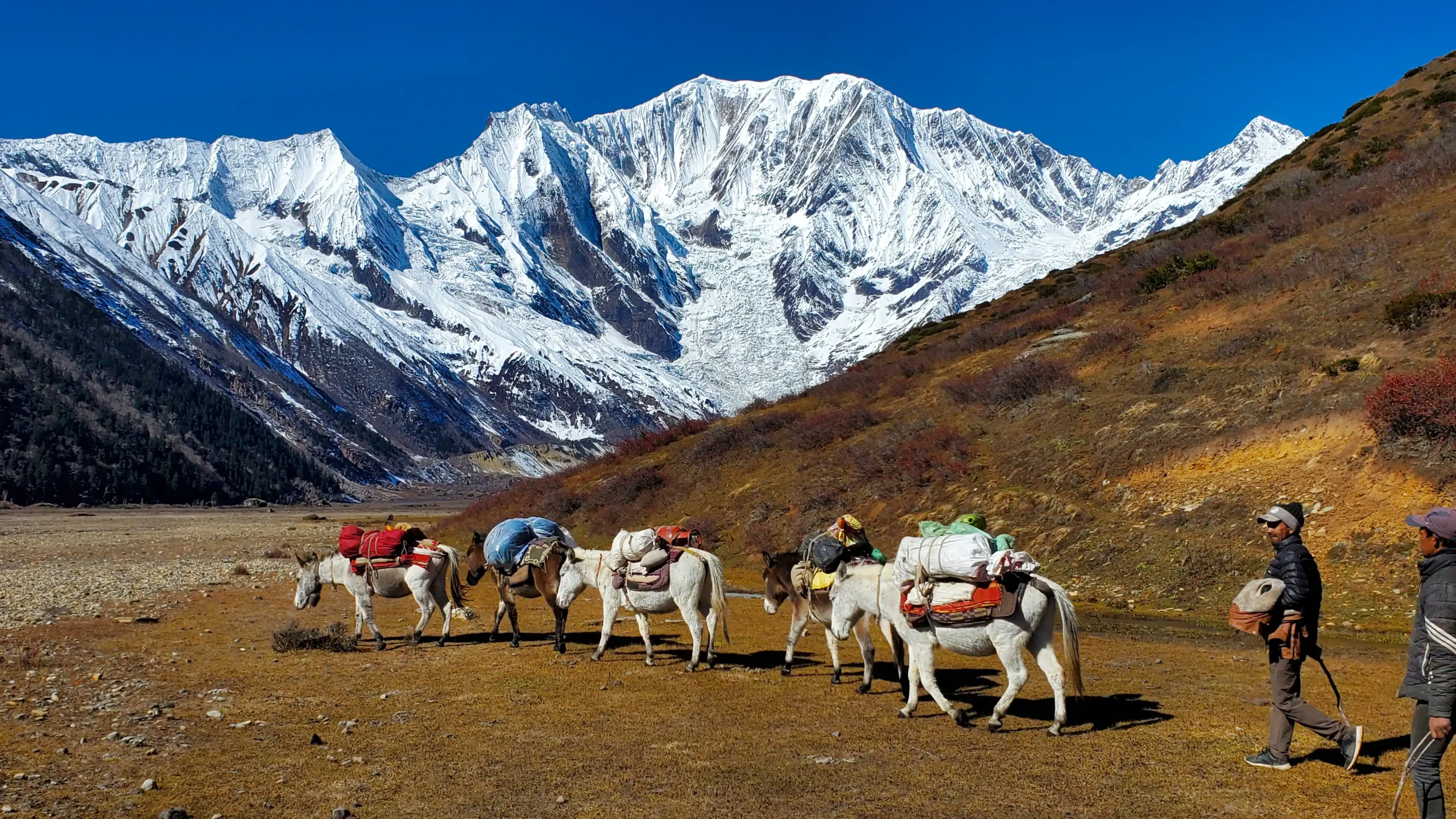
Guerrilla Trail has perfectly blended the historic Maoist war sites, events and stories with the rich Kham Magar culture and the outstanding natural landscape and biodiversity in the still virgin region of Nepal.
The trail passes through Nepal’s only Hunting Reserve connecting many settlements of culturally rich Kham Magar who are best known as Guerrilas for their war skills during the Maoist insurgency.
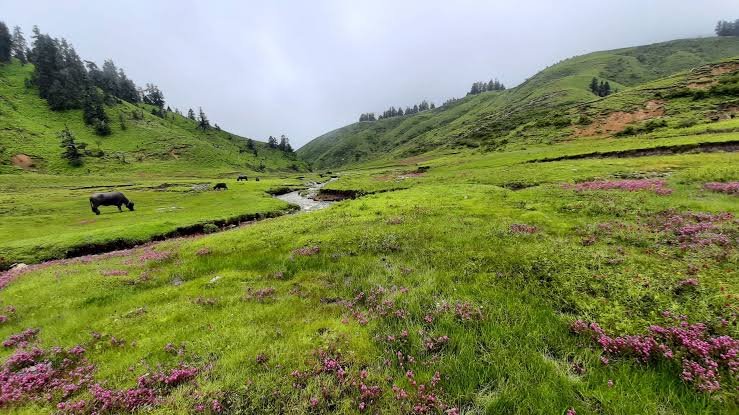
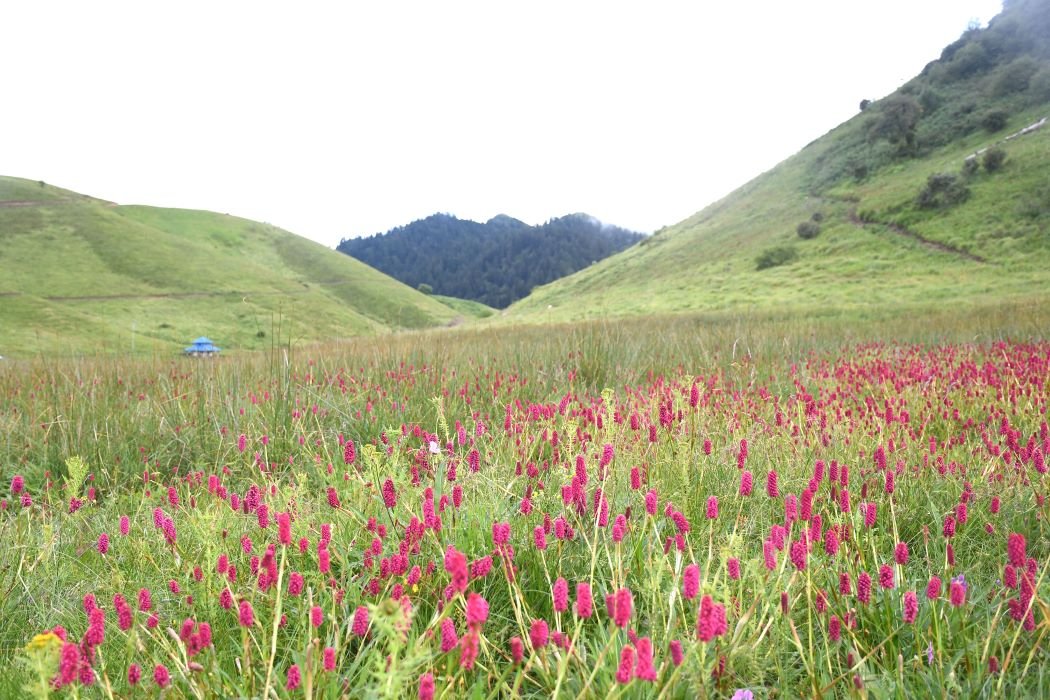
Passing almost through the beautiful patan areas (Jaljala, Gurjaghat, Dhorpatan, Jaljala (Rolpa), Bukki patan, Chitripatan etc.), Guerrilla trail is one of the newly opened and off the bitten trekking trails passing almost through the Mahabharat range and the foot- hills of Himalayas.
The Kham Magars, as ex. Guerrilas and their rich culture are the central elements of the entire trail. Bhume Mela and Papini Mela are some of the signature festivals of the region. Mayur dance, Bhume dance, Singaru dance, shaman dance, Sorathi dance, Painseru dance, Jhorelni dance, Tappa dance etc. are popular folk dances worth observing along the trail.
The Upper route of Guerrilla Trail (Dhorpatan-Maikot- Syarhu Tal) passes through areas, such as Pupal Lake in Maikot, which are the depository of many medicinal and aromatic plants, including Yarsagomba (Himalayan Viagra).